Cerbero Suite Advanced 6.5.1 x64 Review – Binary Analysis and Reverse Engineering Toolkit
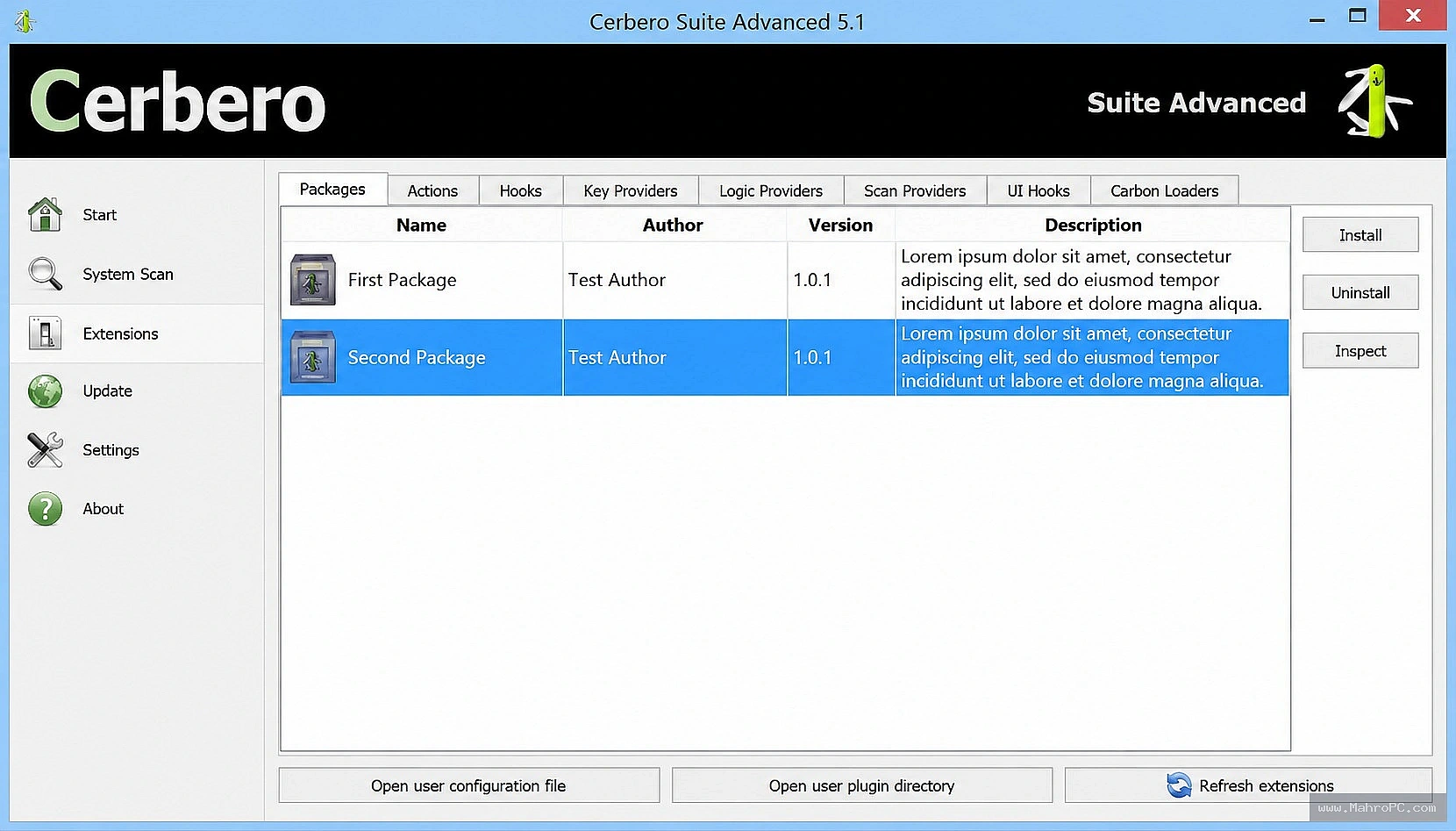
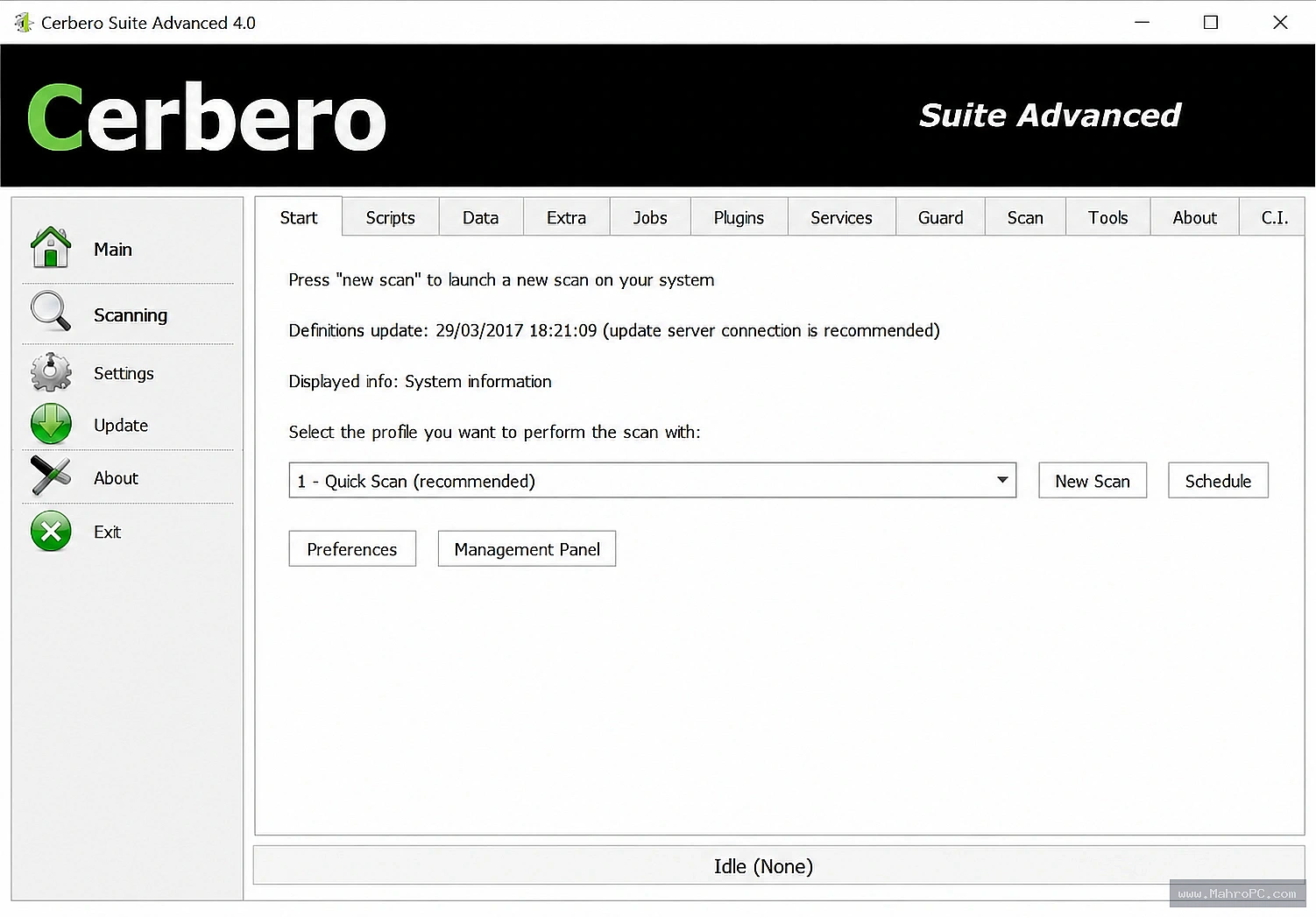
Cerbero Suite Advanced 6.5.1 x64 is a Windows-based platform for static file analysis, reverse engineering, and malware triage. It gives you a unified workspace to inspect executables, documents, and firmware without switching between separate utilities. The x64 build uses large memory addressing, so it loads and processes complex samples efficiently.
Core Analysis Capabilities
The suite includes a hex editor, disassembly view, and resource inspector that work together in one interface. You can examine PE headers, section tables, import and export directories, relocation data, and TLS callbacks. There is also support for ELF and Mach-O binary formats, which makes cross-platform investigation straightforward.
Entropy visualization helps you spot packed or encrypted sections at a glance. The tool parses overlay data, embedded certificates, and version information. You also get YARA integration to run custom rules directly on loaded files. This combination of structural parsing and pattern matching speeds up triage and reduces reliance on external scanners.
Supported File Formats and Parsing Engine
The built-in parser handles a wide range of formats without extra plugins. You can open Windows executables, DLLs, PDFs, Microsoft Office documents, OLE containers, archives, and even iOS or Android application packages. The engine extracts embedded objects, scripts, and macros so you can inspect them individually.
Each parsed file type exposes a structured view of its internal components. For example, when you load a suspicious Office document, you immediately see the VBA streams, embedded files, and relationship targets. This saves time when you need to decide whether a file is benign or requires deeper analysis.
You may also like :: Audacity Latest Software 2026
Automation and Scripting for IOC Extraction
The platform includes a scripting engine that supports Python. You can write scripts to unpack samples, extract indicators, and generate reports without manual repetition. Common tasks like fetching strings, hashing resources, and matching byte patterns become repeatable and easy to share with your team.
IOC export is available in multiple formats. You can output indicators as text lists, CSV, or integrate them with threat intelligence platforms. Scripted analysis also lets you automate YARA rule testing across a folder of samples and collect matches in a structured log.
Deployment Best Practices
Before running Cerbero Suite Advanced 6.5.1 x64 in a production lab, verify the installer integrity. Always check the SHA-256 checksum against the official website and validate the Authenticode digital signature. Use a dedicated virtual machine with snapshot capability for malware analysis, and never execute unknown samples on a host that stores sensitive data.
Keep the analysis environment isolated from your organization’s network. Apply the principle of least privilege by running the tool under a restricted user account within the VM. Take a clean snapshot before each session so you can revert quickly after handling a malicious sample. These practices keep your investigation safe and reproducible.
You may also like :: AnyMP4 Video Converter Ultimate
Performance and Resource Usage
The x64 architecture lets the suite address large memory spaces, which is important when you load multi-hundred-megabyte firmware images or deeply nested archives. Load times are influenced by your disk speed and available RAM, but the interface stays responsive during hex navigation and disassembly scrolling.
Resource consumption scales with the size of the sample under analysis. Under typical lab conditions on a quad-core machine with 8 GB of RAM, the tool handles moderate workloads without noticeable slowdown. For batch processing of many large files, you can schedule tasks during off hours and review results later.
Getting Started and Workflow Integration
You can set the suite as your default handler for unknown file types during triage. When a suspicious email attachment arrives, opening it directly in Cerbero Suite shows the initial structure overview, detected scripts, and potential red flags without launching the native application.
During threat hunting, use the filter and search features to look for specific API calls, byte sequences, or certificate attributes across a collection of samples. This method reduces manual browsing and helps you group related files quickly. After analysis, export findings and share them with incident response teams in a format they can easily consume.
You may also like :: CCleaner Professional Plus
Conclusion
Cerbero Suite Advanced 6.5.1 x64 consolidates binary parsing, disassembly, and scripting into a single environment for reverse engineering and malware investigation. Its format coverage and automation features address real-world lab workflows without unnecessary marketing noise.
To evaluate the tool for your organization, download the official installer from the Cerbero Suite website. You can find additional documentation and purchase options through our [homepage keyword] page. Verify the package signature, deploy it inside an isolated VM, and explore the parser engine against samples you are already analyzing.
Frequently Ask Questions
Which executable formats does Cerbero Suite Advanced 6.5.1 x64 support?
It supports PE, PE+, ELF, and Mach-O binaries. You can inspect headers, import and export tables, relocation entries, TLS callbacks, and resource sections.
Can I run YARA rules inside the suite?
Yes, the YARA module lets you scan loaded files and memory snapshots with your own rule sets. Results appear directly in the analysis workspace.
What scripting language is available for automation?
The scripting engine uses Python. You can automate unpacking, IOC extraction, and report generation with standard Python libraries and suite-specific APIs.
How do I verify that my installer is genuine?
Check the SHA-256 hash against the official website and validate the Authenticode certificate. Always download from the trusted source, never from third-party mirrors.
What are the minimum system requirements?
The x64 build runs on Windows 10 and Windows 11, and Windows Server editions. A system with 4 GB of RAM and a dual-core processor is sufficient for most individual analysis tasks.